
[starbox]
July 5th – August 9th, 10am-12pm PST/1pm-3pm EST
Price $450 USD
Price $280 for CE credits
This course will teach students the science of psychedelic healing. Psychedelic-assisted therapy clinical trials have shown promise for treating a variety of behavioral health indications, and the topics covered in this course will describe some of the potential mechanisms of action for these psychedelic benefits. We will focus on specific psychoactive substances such as 5-MeO-DMT, cannabis, MDMA, psilocybin, and others. Within this realm of psychedelics, we will discuss topics such as critical periods, acute subjective effects, altered states of consciousness, characteristics of psychedelics, nervous system resilience, pharmacokinetics, pharmacodynamics, drug-drug interactions, post treatment integration, historical usage of these psychedelics and potential therapeutic applications. Evidence from psychedelic neuroscience , epidemiology and pharmacology will be presented to help students gain a greater appreciation for how psychedelics may impact health and wellness in clinical care. We will analyze different scientific research studies and data that have been presented within these realms in order to discuss therapeutic efficacy. We will ultimately strive to bridge the gap between the use of these psychedelics within western medical practice to recreational and Indigenous use.
Learning Objectives
At the end of the program, participants will be better able to…
- Define psychedelics by their subjective effects, chemical class, and receptor binding
- Describe psychedelics’ ability to reopen
- List the 2 main cannabinoids found in the cannabis plant and discuss some of their differences
- Discuss how using psychoactive plant medicines from different regions and cultures during the same ceremonial use or over a specific period of time can support the individual on their healing journey
- Describe the historical and cultural use of 5-MeO-DMT containing plants and animals
- Analyze 5-MeO-DMT’s therapeutic potential
- Compare the differences in psychedelic psychopharmacology by mechanism of action
- Describe the adverse effects related to each psychedelic by receptor pharmacology
Classes
Click on the class to read the description
Class One – Unlocking critical periods with psychedelics: neurobiological mechanisms and therapeutic opportunities
Tuesday 7/5/22, 10am–12pm PST/1pm-3pm EST
Professors: Dr. Gul Dölen
During specific periods of brain development, the nervous system exhibits heightened sensitivity to ethologically relevant stimuli, as well as increased malleability for synaptic, circuit, and behavioral modifications. These mechanistically constrained windows of time are called ‘critical periods’ and neuroscientists have long sought methods to reopen them for therapeutic benefit. Recent studies from the Dölen lab indicate that psychedelics may serve as a master key for unlocking critical periods in the brain, by regulating metaplasticity and the extracellular matrix (ECM). Importantly, all three properties of psychedelics (critical period reopening, metaplasticity, ECM reorganization) are absent following cocaine administration, which does not share the psychedelics’ therapeutic profile. Moreover, since hallucinogenic, empathogenic, dissociative, and oneirogenic psychedelics all reopen this critical period, and the time course of the acute subjective effects of psychedelics in humans parallels the duration of the open state induced in mice, these data support the view that what it feels like to be in an altered state of consciousness (shared by all psychedelics) is just what it feels like to reopen critical periods. Finally, the durability of the open state induced by psychedelics likely explains the importance of the post treatment integration period for the clinical implementation of psychedelics and suggests that efforts to develop novel compounds that limit the duration of the acute subjective effects may disrupt therapeutic efficacy. Together these results have significant implications for the implementation of psychedelics in clinical practice, as well as the design of novel compounds for the treatment of neuropsychiatric disease.
Class Two – The Science and Clinical Efficacy of Cannabis
Tuesday 7/12/22, 10am–12pm PST/1pm-3pm EST
Professor: Dr. Harry McIlroy
The field of cannabis as medicine has come a long way from its original use as a palliative tool. The last few decades have uncovered a rich and new understanding of the breadth of cannabinoids found in the plethora of cannabis chemovars. The interaction of specific cannabinoids with the suite of terpenes found in the cannabis flower is what gives the plant its potency as well as its flexibility in treating a wide array of conditions. The Endocannabinoid System (ECS) was first identified in the 1990s as a means of self-regulation and achieving homeostasis. It helps the mind and body find a middle ground and supports resilience. A novel approach to working with, and understanding the many facets of cannabis, is learning how to support and nourish the ECS in order to build internal resilience and resistance to unwanted change. In this class we will examine and identify ways to work with lower, non psychoactive doses, of cannabis in order to support our ability to be flexible in a changing world. We will also address the concept of using cannabis to provide nervous system resilience in the face of larger doses of more psychoactive substances. Specifically, we will examine the potential, and traditionally controversial topic, of using low dose cannabis between sessions of the ritual consumption of ayahuasca.
Class Three – 5-MeO-DMT: history, traditional use, pharmacology, epidemiology and phenomenology
Tuesday 7/19/22, 10am–12pm PST/1pm-3pm EST
Professor: Dr. Anna (Anya) Ermakova
This class will explore the history and science behind 5-methoxy-dimethyltryptamine (5-MeO-DMT), a naturally occurring tryptamine psychedelic found in a variety of plants and most notably toad Incilius (formerly Bufo) alvarius. While 5-MeO-DMT is considered a classic psychedelic, and bears some similarity to other short-lasting tryptamines, surprisingly little scientific research has explored its mechanisms of action in humans. This class will summarize the current state of knowledge on 5-MeO-DMT, reviewing its pharmacokinetics, pharmacodynamics, and epidemiological research of recreational/spiritual use, and review this compound’s fascinating properties and potential therapeutic applications.
Class Four – Psychedelic adverse effects and drug-drug interactions: understanding potential risks and benefits of psychedelic therapy
Tuesday 7/26/22, 10am–12pm PST/1pm-3pm EST
Professor: Dr. Kelan Thomas
As psychedelic therapy advances closer to regulatory approval it becomes increasingly important to recognize the potential risks of psychedelic adverse effects and drug-drug interactions with available psychiatric medications. This class will provide a background in psychedelic psychopharmacology and summarize the relevant pharmacokinetic and pharmacodynamic evidence from clinical trials. The class will also describe important preclinical toxicology data, epidemiologic studies and case reports that provide even further evidence regarding the potential risks and benefits of psychedelic microdosing and macrodosing.
Class Five – Current Research Findings of MDMA-Assisted Therapy for PTSD Clinical Trials
Tuesday 8/2/22, 10am–12pm PST/1pm-3pm EST
Professor: Dr. Sara J. Garcia Velazquez
This class will present a brief history of the MDMA molecule and its use as an adjunct medicine for therapy. Recognizing that chronic post-traumatic stress disorder (PTSD) continues to be a profoundly challenging condition with few effective treatments, we also will review the information currently available from the results of the first FDA-approved phase 3 MAPS clinical trial of MDMA-assisted therapy for patients with chronic PTSD and how these results open the door to a potentially powerful new pathway toward healing. This class will include an overview of the DSM-5 criteria for diagnosing PTSD and how MDMA is used to treat this in clinical trials (which differ from clinical settings), as well as the story of how MDMA came to be used therapeutically. It will also review the pharmacology and mechanism of action of MDMA, and how it facilitates a reduction of conditioned fear responses, leading to more open and comfortable communication about past traumatic events without the patient becoming overwhelmed. Additionally, this class will examine a description of the clinical trial settings, protocol design, elements of MDMA assisted-therapy, participant demographics, the importance of diverse populations in research, as well as current challenges, causes of trauma history in the studied population, safety (adverse effects, risks, and clinical considerations), efficacy, conclusions, and limitations of the clinical trials.
Class Six – Psychotherapy and placebo effects in psilocybin-assisted treatment
Tuesday 8/9/22, 10am–12pm PST/1pm-3pm EST
Professor: Dr. Natalie Gukasyan
Psilocybin-assisted treatment is at first glance markedly different in structure and approach from mainstream forms of mental health treatment in the west. A major criticism of clinical psychedelic research rests on the difficulty of executing placebo-controlled studies and distinguishing therapeutic drug effects from those of the psychotherapeutic container in which psychedelics are typically presented. In this class we will take a close look at the design of several major psilocybin-assisted therapy trials, and discuss the challenges and biases that confound the study of this clinical intervention, including the challenges of executing placebo-controlled research with psilocybin and similar substances. We will examine how many of these challenges are shared by the broader field of general psychotherapy research, and some of the debate and solutions that have emerged from that body of work. We will also discuss the debate around the concept of placebo in interventions that employ psychotherapy. Finally, we will review implications of these concepts for future research and review potential solutions.
Professors
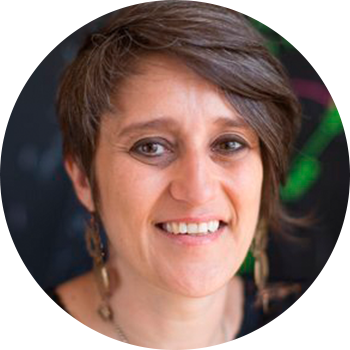
Dr. Dölen earned her M.D., Ph.D. at Brown University and the Massachusetts Institute of Technology (MIT), where she carried out seminal work on the pathogenesis of autism. Dr. Dölen completed postdoctoral training in the Department of Psychiatry at Stanford University, where she did paradigm-shifting work on the neural circuits underlying social reward learning. In 2014, Dr. Dölen began her faculty position in the Department of Neuroscience at the Johns Hopkins University, School of Medicine. Her laboratory studies the neurotransmitters, brain circuits, developmental programs, and evolution of social behaviors. Building on the lab’s recent discovery that psychedelics as a class reopen the social reward learning critical period, she has initiated the PHATHOM project (Psychedelic Healing: Adjunct Therapy Harnessing Opened Malleability; www.phathomproject.org) which aims to test the hypothesis that this unifying property underlies the therapeutic efficacy of this class of drugs, and can be harnessed to dramatically expand the scope of disorders (including autism, stroke, deafness, blindness) that psychedelics might be used to treat. Dr. Dölen is the recipient of several prestigious awards including: the Joukowsky Family Foundation Award, the Conquer Fragile X Rising Star Award, the Angus MacDonald Award for Excellence in Undergraduate Teaching, the Society for Social Neuroscience Early Career Award, the Searle Scholars Award, and the Johns Hopkins
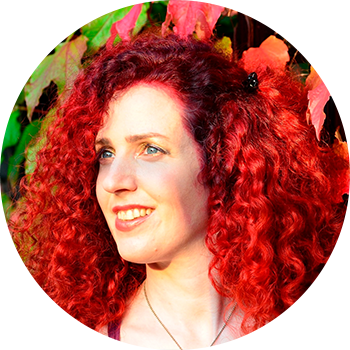
Anna (Anya) Ermakova has a motley background and broad research interests combining nature conservation, ethnobotany, neuroscience and psychiatry, interweaving and connecting these diverse paths through psychedelic science. Anya worked at the forefront of psychedelic research as a science officer at the Beckley Foundation, and has provided psychedelic welfare and harm reduction services with PsycareUK and Zendo. Deep love for nature and wildlife has motivated Anya to study biology at the University of Edinburgh, while a quest to understand altered states of consciousness has prompted her to specialise in neuroscience and later continued during her PhD in psychiatry at Cambridge, where she investigated the origins of psychosis. She then worked for the NHS, developing and trialing a new psychosocial intervention for psychosis. After a brief stint as a clinical trial manager, she had decided to pursue her passion for nature, by studying Conservation Science at Imperial College London, where she researched peyote ecology in Texas, USA. Anya is working as a research consultant in London, is a member of the Board of Directors of the Chacruna Institute for Psychedelic Plant Medicines, and member of Chacruna’s Council for the Protection of Sacred Plants. She is also board member of the Cactus Conservation Institute.University President’s Frontier Award.
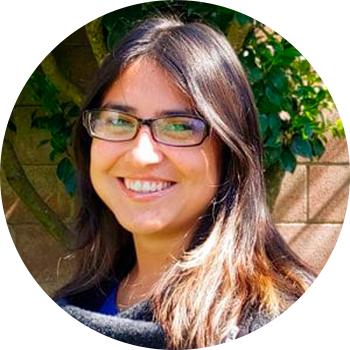
Sara J. Garcia Velazquez, M.D, is a general physician who obtained her medical degree from the University of the State of Michoacan in Mexico in 2012. In 2009, after finishing her medical internship at a state hospital, Sara worked as the lead social service physician in rural areas of Mexico for the Mexican Board of Health. In 2013 she moved to the Bay Area, where she studied music at the Pyramind Studios for two years. In 2016, she joined the San Francisco Clinical Research Center, where she gained valuable clinical and research experience as a clinical research coordinator and cognitive rater. She spearheaded protocols in the therapeutic areas of mild Cognitive Impairment, Alzheimer’s disease, Parkinson’s, Cluster Headache, Migraine, and Persistent Posttraumatic Headache. Sara continued her clinical research journey in 2018 at Science 37, a telemedicine and mobile technology company specializing in virtual clinical trials. In 2020 she joined the MAPS PBC team as a Medical Monitor, applying her experience and passion for biomedical knowledge to bring psychedelic medicine to all patients. In 2021 she was promoted to Associate Medical Director and continues to perform medical monitoring activities, ensuring the safety of clinical trial participants, and actively participates in the MAPS PBC diversity working group striving towards diversity, inclusion, and access to Psychedelic Medicine and clinical trials.
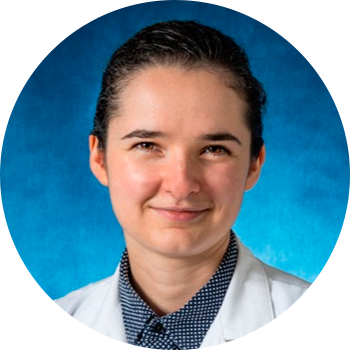
Natalie Gukasyan, M.D. is a psychiatrist and Assistant Professor at Johns Hopkins University. After receiving her M.D. from Tulane University School of Medicine Dr. Gukasyan completed her internship and residency in psychiatry at Johns Hopkins. Her current research focuses on the feasibility and efficacy of novel treatment strategies including psilocybin-assisted psychotherapy for mood, addictive, and eating disorders. Dr. Gukasyan is also a clinician at the Johns Hopkins Bayview Community Psychiatry Program serving patients with co-occurring mental illness and addictive disorders.
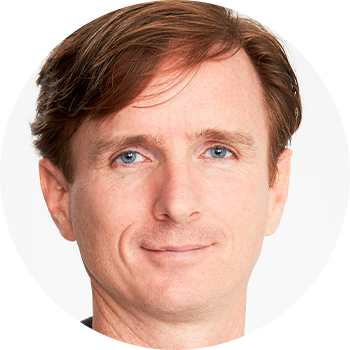
Dr. Harry McIlroy has had a lifelong interest in herbal medicine and completed a Master’s in Acupuncture and Traditional Chinese Medicine prior to earning his medical degree. This was his first introduction to the potency of plant medicine. His later studies of Ayurveda while living in India examined plants from a different perspective. As a family doctor practicing integrative and functional medicine, he regularly advises patients on safe and effective ways to integrate cannabis into their health care plans. He worked with the urban underserved for over a decade, focusing on equal access to physical and mental healthcare. More recently he completed a certificate in psychedelic studies at the California Institute of Integral Studies. He is currently involved with using MDMA for the treatment of PTSD as part of the Expanded Access program through the FDA. He is a member of the Board of Directors of the Chacruna Institute for Psychedelic Plant Medicines and very enthusiastic about working towards Chacruna’s mission of furthering diversity, Indigenous rights, environmental protection, and equitable access to the healing power of plant medicines and psychedelics.
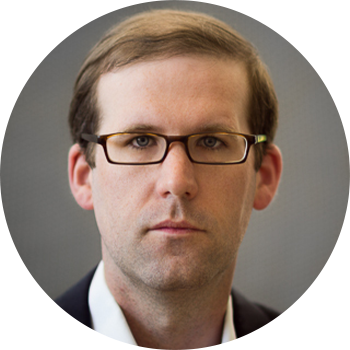
Kelan Thomas, PharmD, MS, is an associate professor and psychiatric pharmacist with outpatient behavioral health practice sites in San Francisco and Oakland. He completed undergraduate chemistry/pharmacology at Duke University, a PharmD at UC San Francisco, and a Clinical Research MS at University of Michigan. He has completed clinical pharmacy residencies at University of Michigan and University of Southern California. His research is related to psychopharmacology, adverse drug reactions and pharmacogenomics with the goal of optimizing mental health pharmacotherapy for psychiatric clients. More recently he completed the California Institute of Integral Studies (CIIS) Certificate in Psychedelic-Assisted Therapies and Research training program and started collaborating with psychedelic-assisted therapy clinical trials at UC San Francisco. He is also part of the Chacruna Chronicles editorial team, and curates the “Science Sunday” social media series with a psychedelic science publication posted weekly.
Information on Continuing Education Credit for Health Professionals
• CE credits for psychologists are provided by the Spiritual Competency Academy (SCA) which is co-sponsoring this program. The Spiritual Competency Academy is approved by the American Psychological Association to sponsor continuing education for psychologists. Spiritual Competency Academy maintains responsibility for this program and its content.
• The California Board of Behavioral Sciences accepts CE credits for LCSW, LPCC, LEP, and LMFT license renewal for programs offered by approved sponsors of CE by the American Psychological Association.
• LCSW, LPCC, LEP, and LMFTs, and other mental health professionals from states other than California need to check with their state licensing board as to whether or not they accept programs offered by approved sponsors of CE by the American Psychological Association.
• SCA is approved by the California Board of Registered Nursing (BRN Provider CEP16887) for licensed nurses in California. RNs must retain their certificate of attendance for 4 years after the course concludes.
•For questions about receiving your Certificate of Attendance, contact alejandra@chacruna.net.
For questions about CE, contact Spiritual Competency Academy at info@spiritualcompetencyacademy.com.
Please explore and also consider registering for our other courses and workshop that are part of our Studies in Psychedelic Justice. Taking all four as a bundle allows you to become a Chacruna member at no additional membership fee.
